
Introduction
Original Gemstones have fascinated humanity for centuries. From royalty to spiritual seekers, everyone has cherished these colorful treasures. But here’s the catch – the gemstone market is flooded with fakes. With rising demand and limited supply, imitation stones are everywhere. Knowing how to identify original gemstones is not just a skill, it’s a necessity if you want to avoid being cheated.
To ensure you are purchasing true treasures, understanding how to identify Original Gemstones is essential.
Understanding Gemstones
Before identifying real stones, you need to know what gemstones truly are.
- Natural gemstones: Formed deep inside the earth over millions of years.
- Synthetic gemstones: Created in labs with the same chemical structure but not naturally formed.
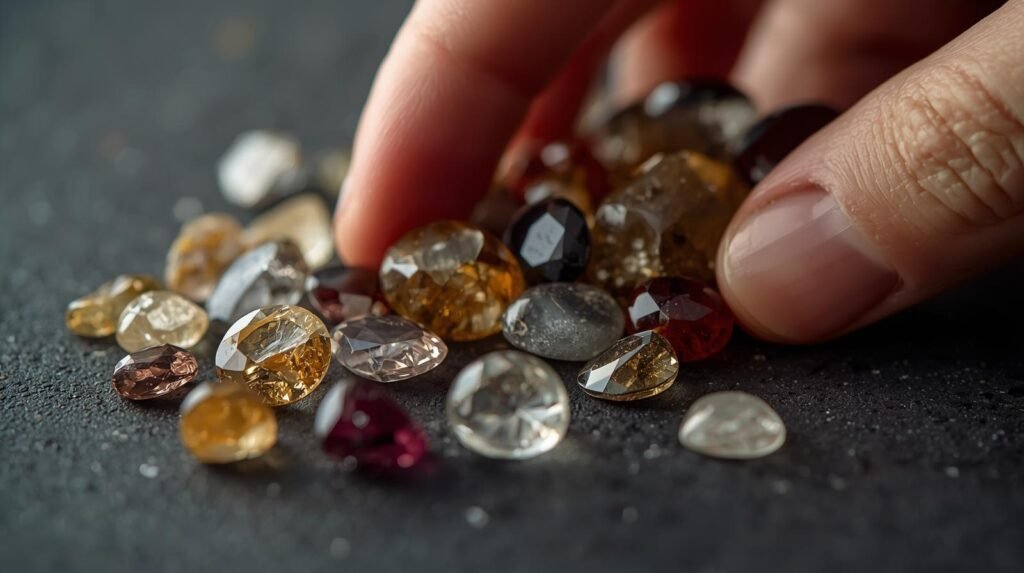
- Imitation gemstones: Cheap replicas made of glass, plastic, or crystal.
Only natural gemstones hold true value and energy, making authenticity vital.
Learning about Original Gemstones will enhance your appreciation for their unique qualities.
Why Fake Gemstones Exist in the Market
Ever wondered why fake gemstones are so common? The answer lies in demand and profit. Genuine stones like ruby, emerald, and sapphire are rare. To make quick money, dishonest sellers pass off imitations as real, often using clever polishing and treatments.
Many people are searching for Original Gemstones as part of their jewelry collections.
Basic Signs to Identify Real Gemstones
Understanding the differences between synthetic and Original Gemstones is crucial for buyers.
Each of the Original Gemstones has its own unique beauty and characteristics.
When you first look at a gemstone, a few simple checks can give clues:
- Visual inspection – Natural stones usually have slight imperfections, unlike the flawless look of fake ones.
- Weight and density – Real stones are heavier than glass or plastic.
- Clarity and inclusions – Genuine stones often contain tiny inclusions (natural flaws), which fakes usually lack.
Professional Methods to Identify Original Gemstones
If you want 100% assurance, turn to gemological labs. Institutions like GIA (Gemological Institute of America) or IGI provide certifications after testing gemstones with advanced equipment. These certificates are proof of authenticity and value.
Expert gemologists can help you verify the authenticity of Original Gemstones.
Color Test
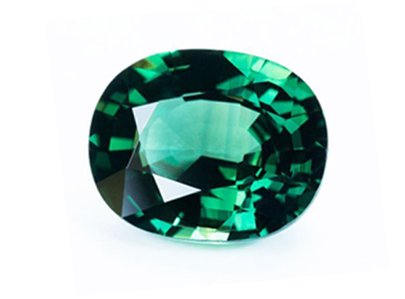
Color is one of the most noticeable features. Real gemstones have rich, deep, and natural colors, while fake ones often look too bright or artificial. For example, a real emerald has a soothing green, while an imitation may appear neon-like.
Scratch Test
Every gemstone has a hardness level on the Mohs scale. Diamonds, for example, are the hardest (10 on the scale). A simple scratch test can reveal whether a stone matches its supposed hardness. But be cautious – scratching may damage the gem if not done carefully.
Knowing how to perform a scratch test can help you identify Original Gemstones effectively.
Light Test
Many collectors seek Original Gemstones due to their timeless appeal and investment value.
Hold the gemstone under light. A genuine gemstone will display natural brilliance and sparkle due to its refraction properties. Fakes often look dull or overly flashy without depth.
Not all Original Gemstones will react the same way under certain tests, so always check with experts.
Magnification Test
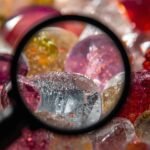
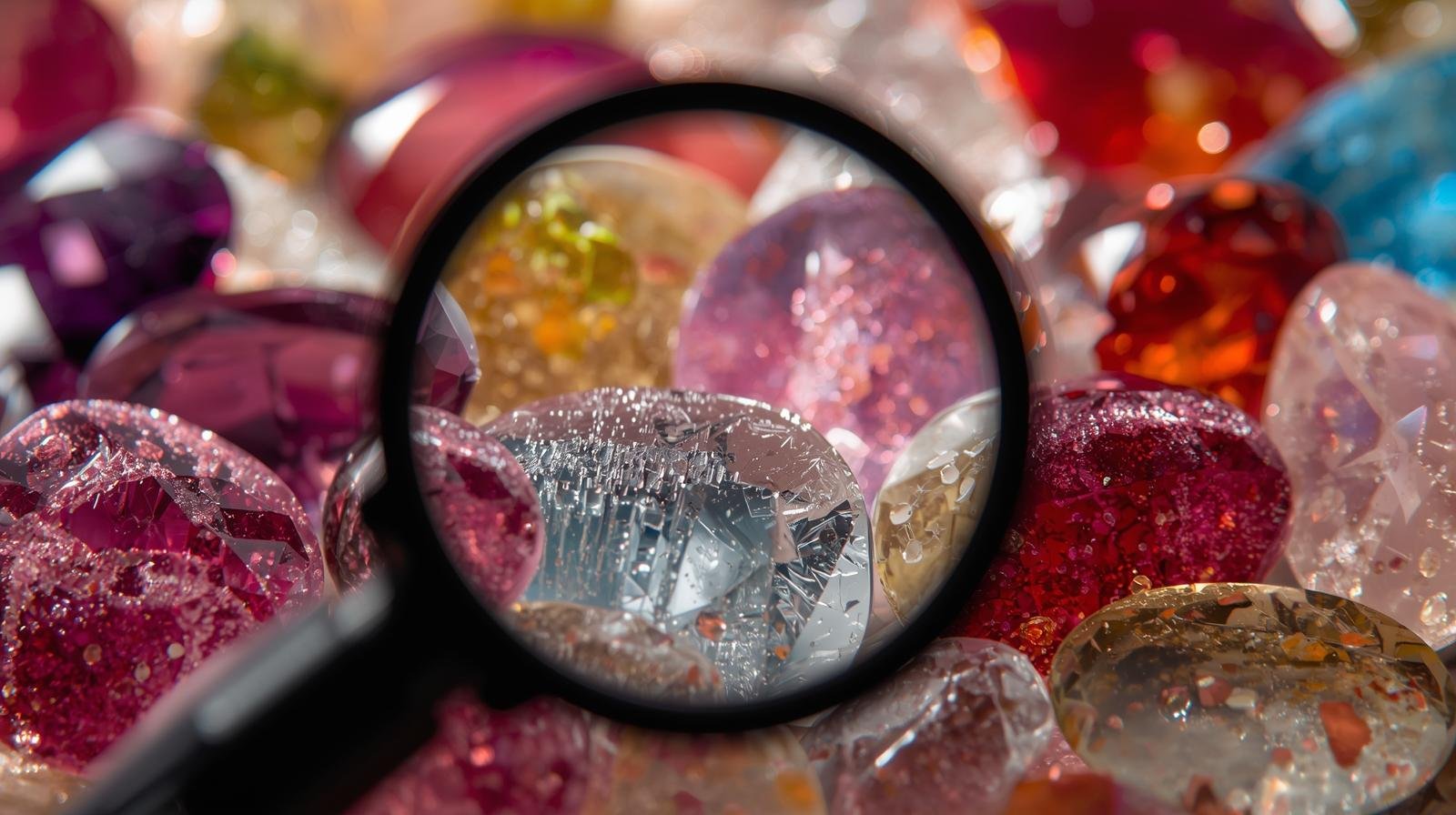
Use a jeweler’s loupe or magnifying glass. Genuine stones often reveal inclusions, tiny cracks, or color variations. On the other hand, fake ones look too perfect – like plastic toys.
Understanding the market will help you find the best Original Gemstones available.
Heat Test
Utilizing the water test can further assist in determining if you have Original Gemstones.
Exposing gemstones to mild heat can also reveal their authenticity. Real gemstones usually withstand heat without damage, whereas fake ones may crack, melt, or change color. However, this should only be done by experts to avoid harming valuable stones.
Some Original Gemstones show remarkable fluorescence under UV light which adds to their beauty.
Water Test
This is a quick home test. Drop the stone in water – genuine gemstones usually sink due to their density, while fake ones may float. But keep in mind, this test alone is not foolproof.
Certification is essential for ensuring that you are purchasing Original Gemstones.
UV Light Test
Understanding the most commonly faked Original Gemstones can help in making informed purchases.
Under ultraviolet (UV) light, some gemstones show fluorescence. For example, diamonds often glow blue under UV rays. Jewelers use this method to identify fakes, but results vary depending on the stone type.
Gemstone Certifications
Never underestimate the power of certification. Trusted labs like GIA, IGI, and AGS provide detailed reports that include gemstone type, treatment, origin, and authenticity. A certificate ensures you’re not just buying a shiny stone, but a true treasure.
Commonly Faked Gemstones
Some stones are more targeted by fraudsters:
Being aware of Original Gemstones will enhance your shopping experience.
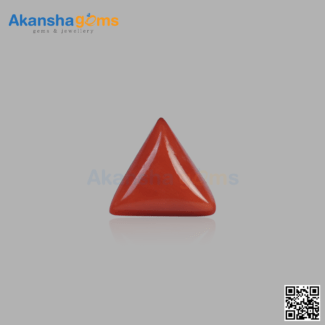
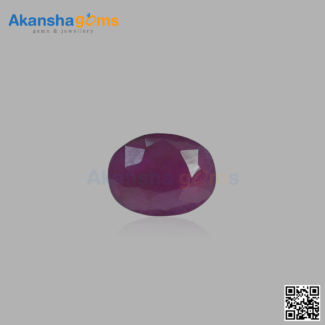
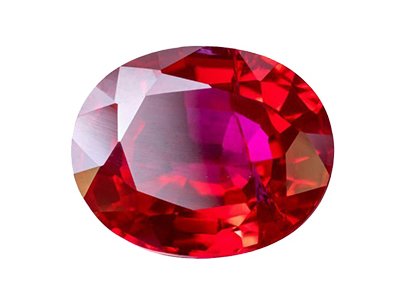
- Ruby – Often replaced with red glass or garnet.
- Emerald – Faked using green glass or synthetic beryl.
- Diamond – Commonly imitated with cubic zirconia or moissanite.
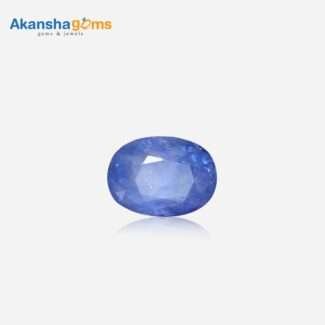
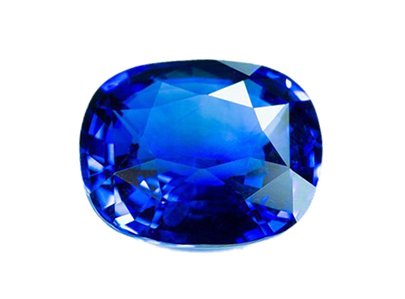
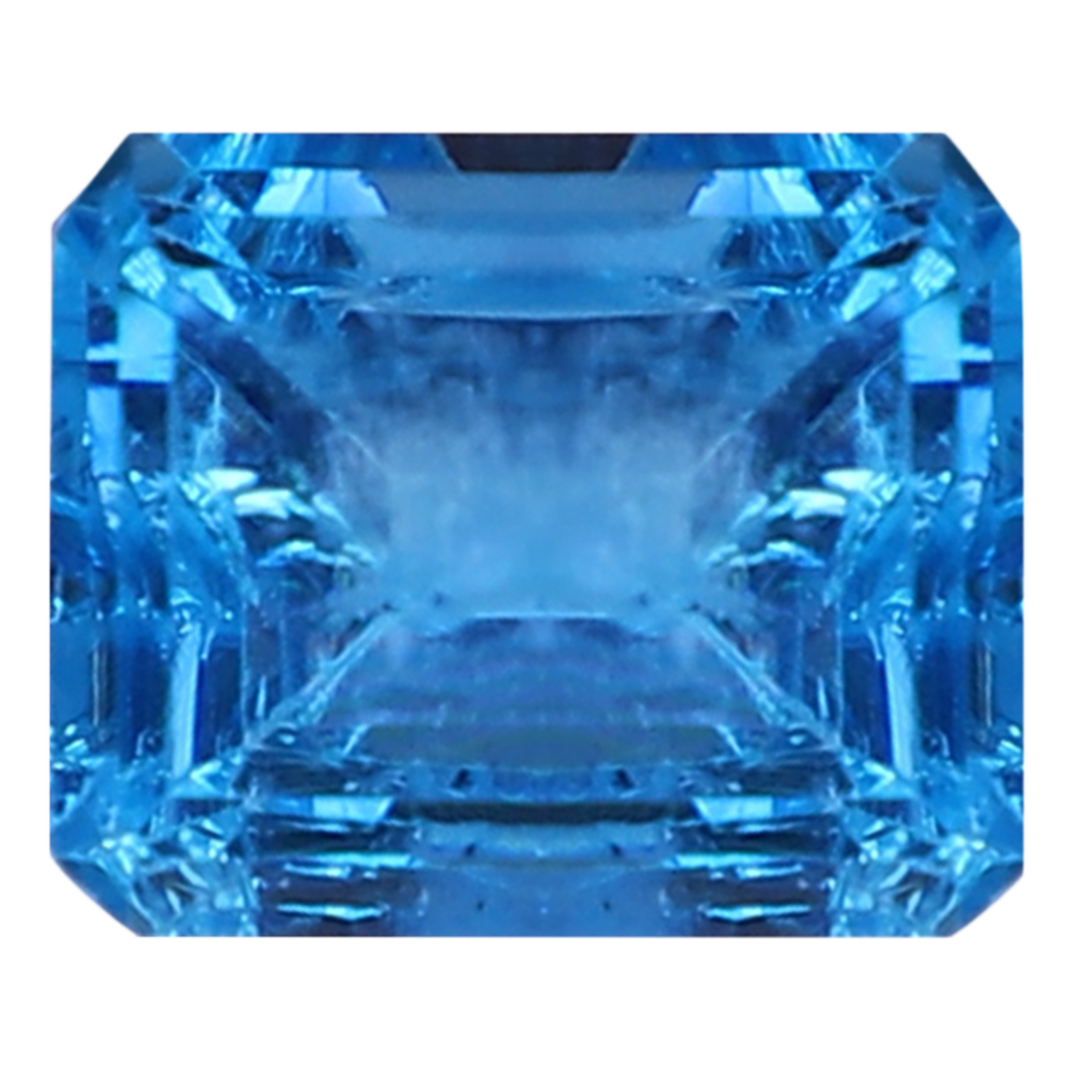
- Sapphire – Substituted with blue glass or spinel.
Tips for Buyers to Avoid Fake Gemstones
To safeguard your investment:
- Buy from trusted sellers with strong reputations.
- Always ask for certification from recognized labs.
- Do your research before purchasing – know what the real stone should look like.
- Avoid deals that seem too good to be true – because they usually are.
Role of Technology in Identifying Gemstones
Utilizing technology can further aid in verifying the authenticity of Original Gemstones.
Modern tools like spectrometers, microscopes, and refractometers have made gemstone identification more accurate. Some companies are even using blockchain-based digital certificates to prevent fraud.
Conclusion
Identifying original gemstones requires knowledge, awareness, and sometimes professional help. From simple visual checks to advanced lab testing, there are many ways to separate genuine Original Gemstones from imitations. The next time you shop for gemstones, remember – a little awareness can save you from big losses and ensure you own a true gem worth its beauty and value.
FAQs
1. Can I identify a real gemstone at home?
Yes, basic tests like checking weight, clarity, and color can help, but for 100% certainty, certification from a gem lab is best.
2. Are synthetic gemstones valuable?
Synthetic gemstones have some value but are far less valuable than natural ones. They don’t carry the same rarity or energy.
3. Which gemstones are most commonly faked?
Diamonds, rubies, emeralds, and sapphires are the most commonly counterfeited gemstones.
4. Do all real gemstones have inclusions?
Not all, but many natural stones have small flaws. Perfect-looking stones are often synthetic or imitation.
5. Why should I buy certified gemstones?
Certification guarantees authenticity, protecting you from fraud and ensuring long-term value.